


In western Sicily you don’t have to look for wine: you run into it. Leave the motorway between Palermo and Trapani and the hills fill with vineyards, villages have wineries open to visitors, and the road drops towards the sea among salt pans and windmills. This is a suggested route of three or four days by car, among vineyards, villages and tastings.
It is not an official signposted route: it is the way we like to cross the province of Trapani, linking the wine areas with the places worth seeing along the way. Distances are short, but it pays not to rush.
First stop: Alcamo, the land of Catarratto
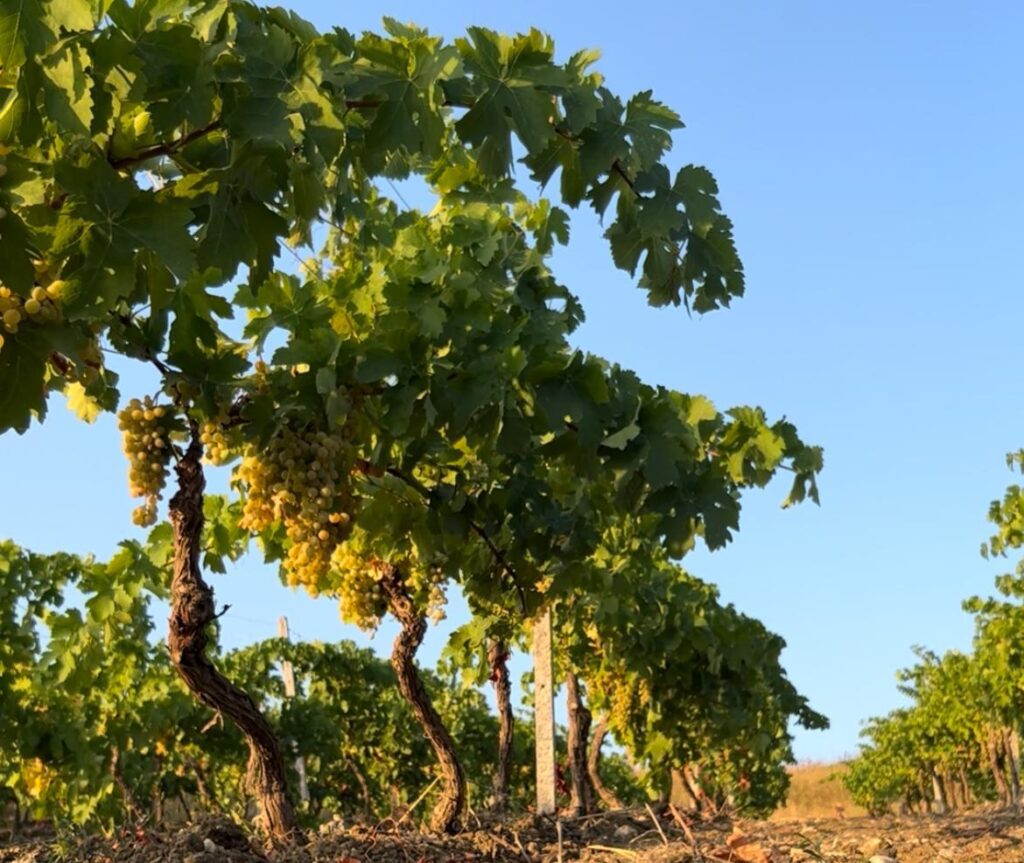
The journey starts in the hills of Alcamo, halfway between Palermo and Trapani. This is the Alcamo DOC area and the home of Catarratto, the most widely planted white grape in Sicily, which here gives fresh, savoury wines. The vineyards climb from the plain towards Monte Bonifato, with the Gulf of Castellammare in the background.
In Alcamo it is worth stopping for a winery visit and a first tasting, to get to know the grapes you will meet over the following days: Catarratto, Grillo, Insolia, Nero d’Avola. If it is your first tasting in Sicily, read our guide on how it works and how much it costs first.
Second stop: Segesta, Calatafimi and the inland hills
From Alcamo, Segesta is twenty minutes away: the Doric temple in the middle of the fields and the theatre at the top of Monte Barbaro are the cultural stop of the trip. All around, between Calatafimi and Salemi, the landscape is made of wheat, olive trees and vines, with only a few scattered houses.
Salemi deserves a walk through its old town, gathered around the Norman-Swabian castle. From here the road goes down into the Belice valley, one of the island’s most important farming areas, also known for its Nocellara olive oil.
Third stop: Gibellina and the Cretto di Burri
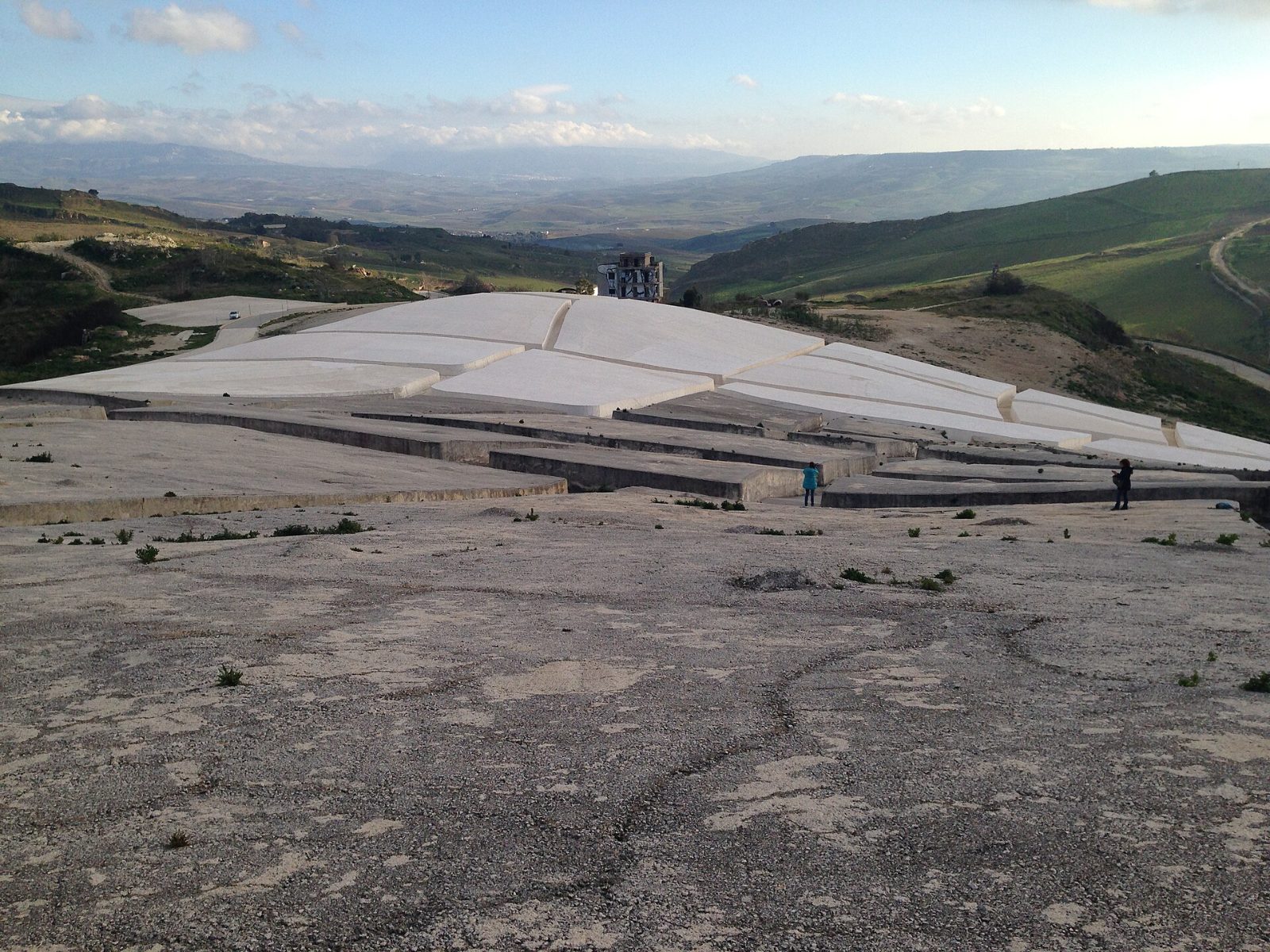
A detour that has nothing to do with wine, but stays with you: the Cretto di Burri, the land art work that the artist Alberto Burri created over the ruins of old Gibellina, destroyed by the Belice earthquake of 1968. Walking among the blocks of white concrete that trace the old streets is a silent, powerful experience. New Gibellina, rebuilt further down the valley, is full of contemporary art.
Fourth stop: Marsala, the Stagnone and Motya
Marsala is the historic capital of Sicilian wine. Its modern fortune began in 1773, when the English merchant John Woodhouse shipped the local wine to England, fortified so it would survive the voyage. Since then Marsala has become a wine known all over the world, and in town you can visit some of the historic wineries with their large wooden barrels.
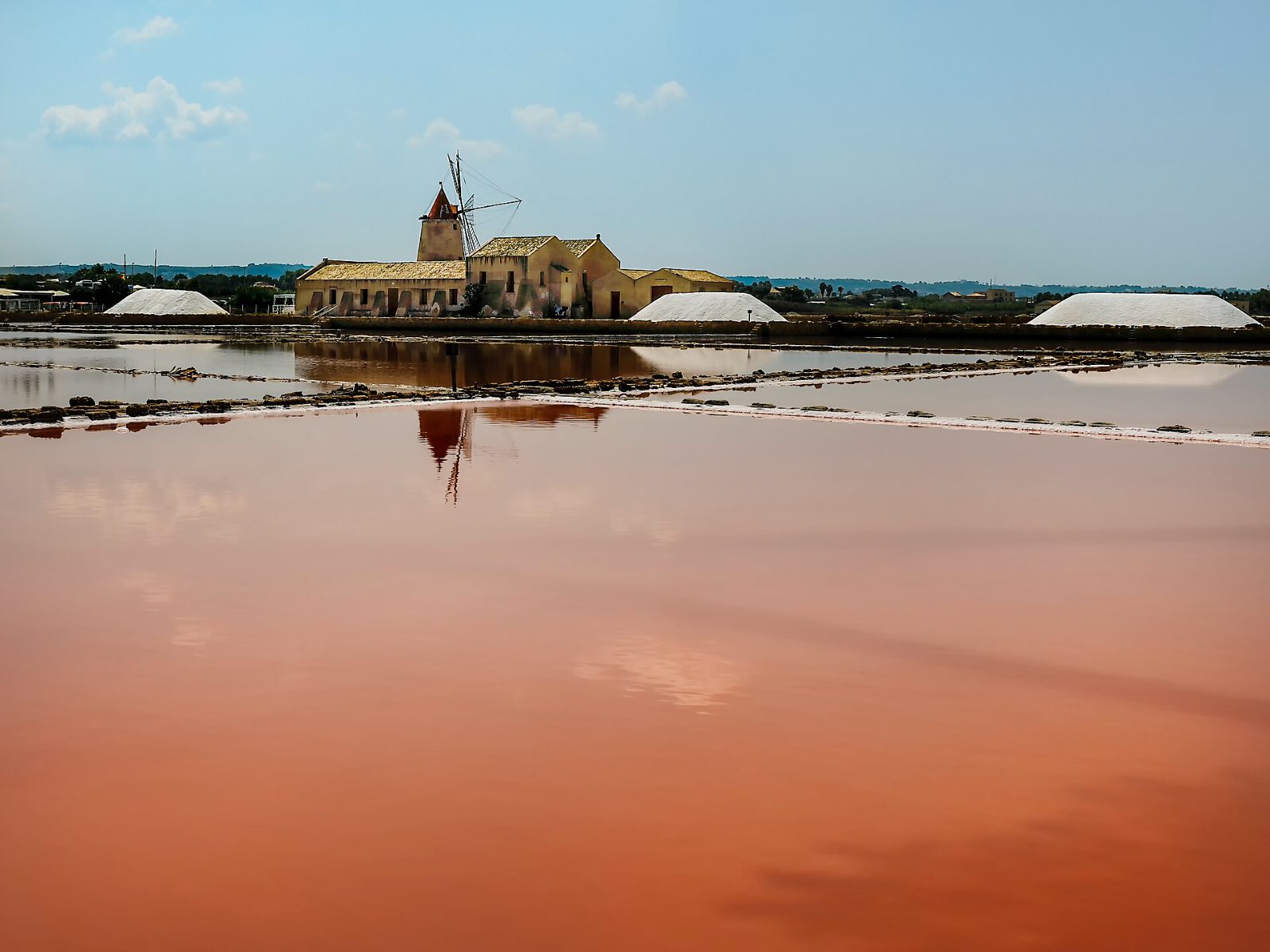
North of Marsala lies the Stagnone, the lagoon of salt pans and windmills. In the middle is Motya (Mozia), the island of the ancient Phoenician city, reached by a small boat: besides the excavations and the museum, the island is planted with Grillo vines, one of the most typical white grapes of the area.
Last stop: the Trapani salt pans and Erice
The route ends along the salt road between Marsala and Trapani, best at sunset, when the pans turn pink. If there is time left, drive up to Erice for a walk through its medieval lanes and an almond pastry in one of the bakeries in the centre.
Practical tips
- Book your visits: many wineries welcome walk-ins, but guided visits and lunches must be booked, especially at weekends.
- The driver doesn’t drink: in Italy the limit is 0.5 g/l, and zero for anyone who has had a licence for less than three years. Take turns driving or use the spittoon during tastings.
- Where to stay: one base between Castellammare del Golfo and Alcamo and one near Marsala or Trapani are enough for the whole trip. See our guide on where to stay in western Sicily.
- When to go: spring and autumn are perfect; in September and October you also feel the atmosphere of the grape harvest.
- Taking wine home: many wineries ship within Italy and abroad; just ask during your visit.
The winery stop in Alcamo
For the first stop we recommend Quattrocieli winery, in the hills of Alcamo: walk-in tastings during opening hours, guided visits through the vineyard and cellar and, on Saturdays from March to October, lunch among the vines. Discover the experiences.
Cover photo: Matteo Pappadopoli, CC BY-SA 4.0, via Wikimedia Commons